Access for Who
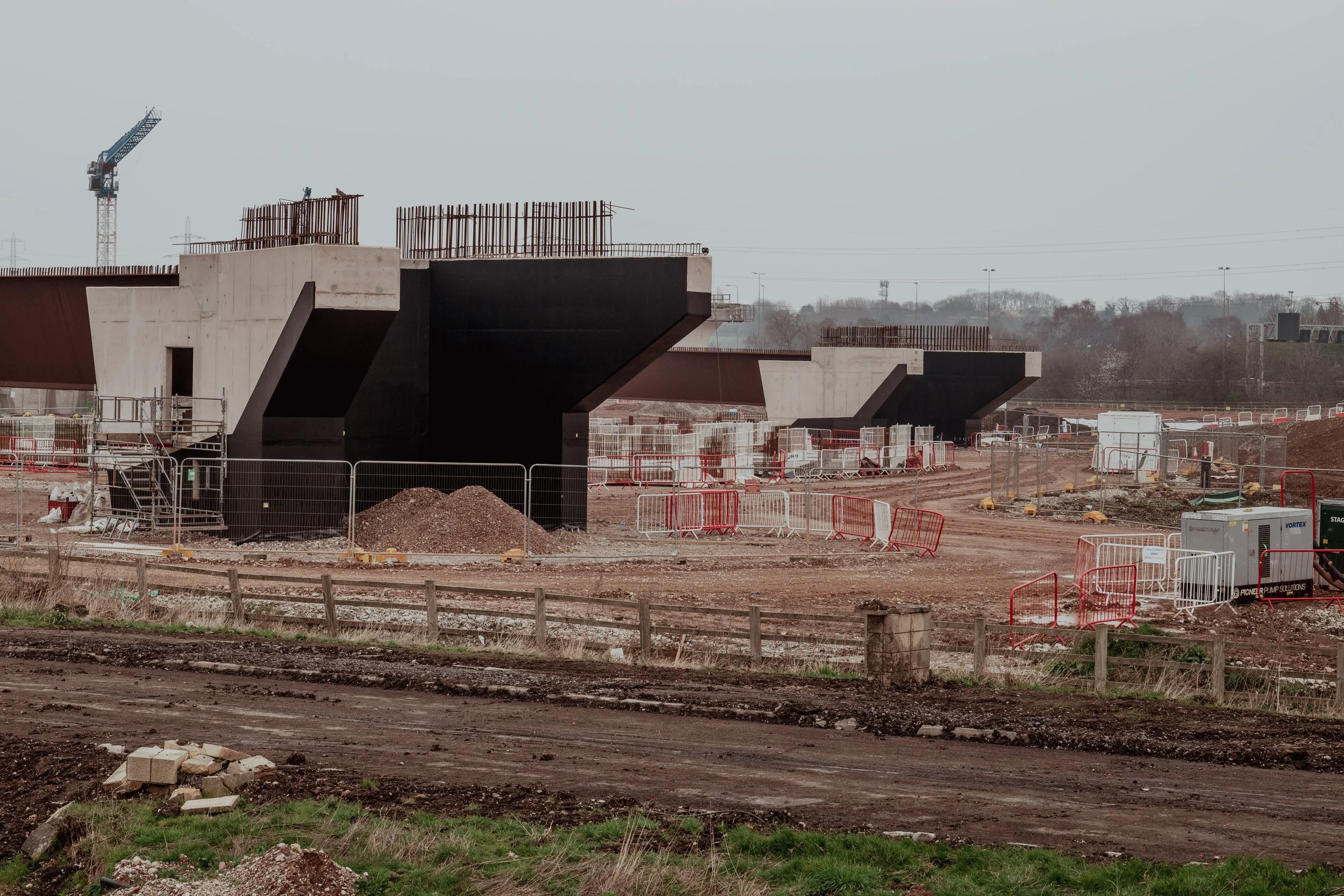
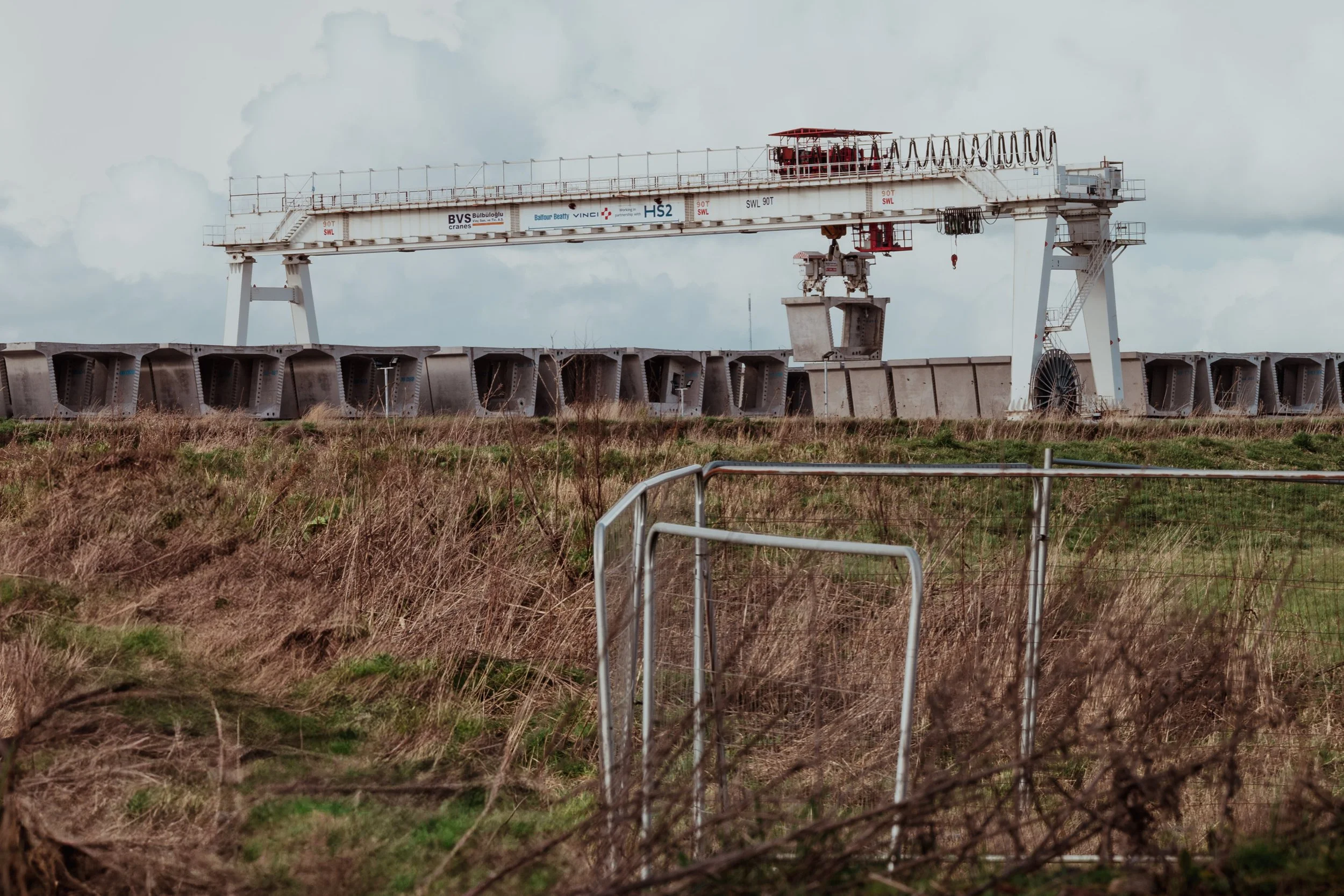
“The HS2 project is one of the largest and most complex infrastructure projects ever undertaken in the UK. It requires a bespoke delivery organisation to execute the planning, design and integration of the component parts of the new high-speed railway.” (HS2 Ltd)
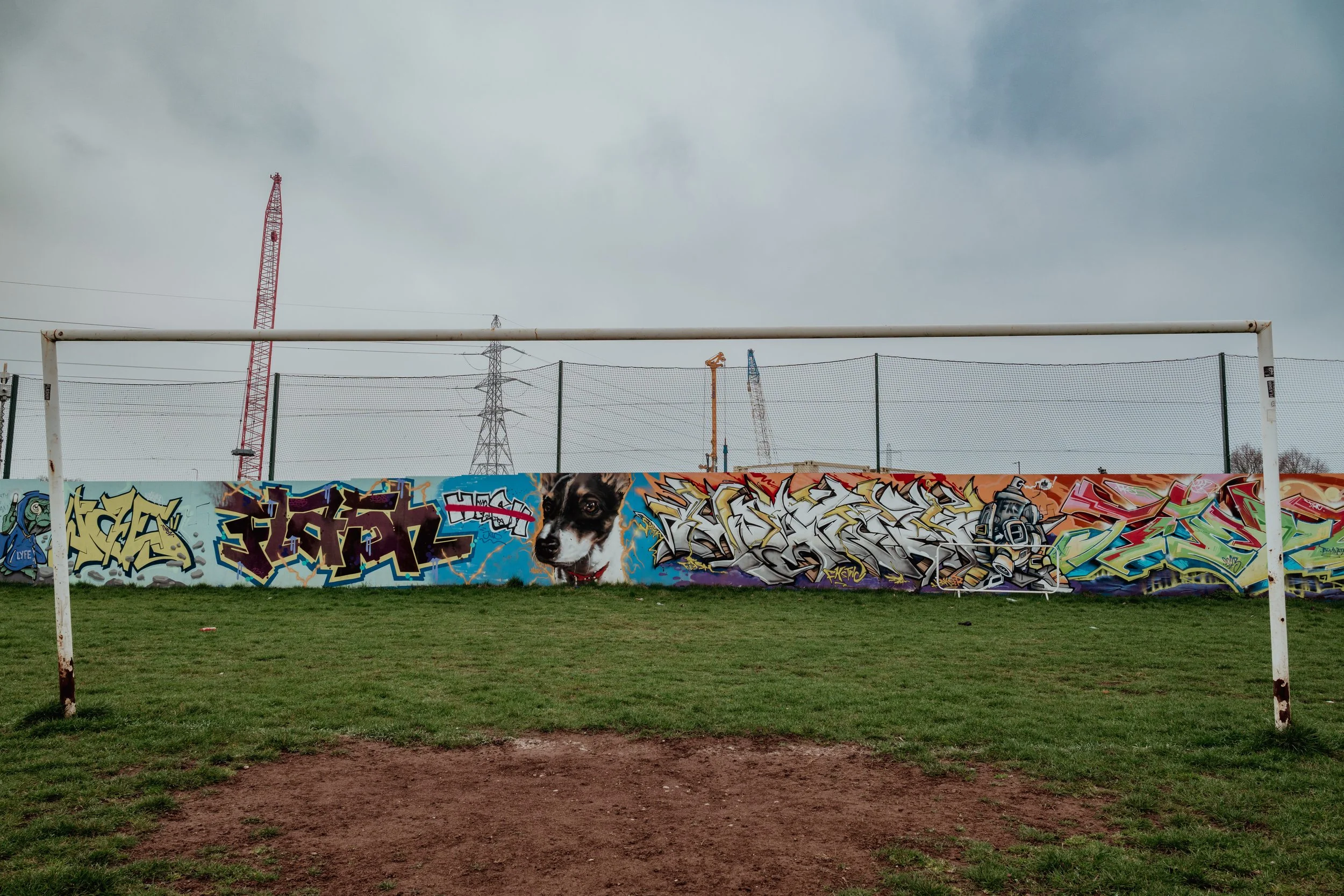
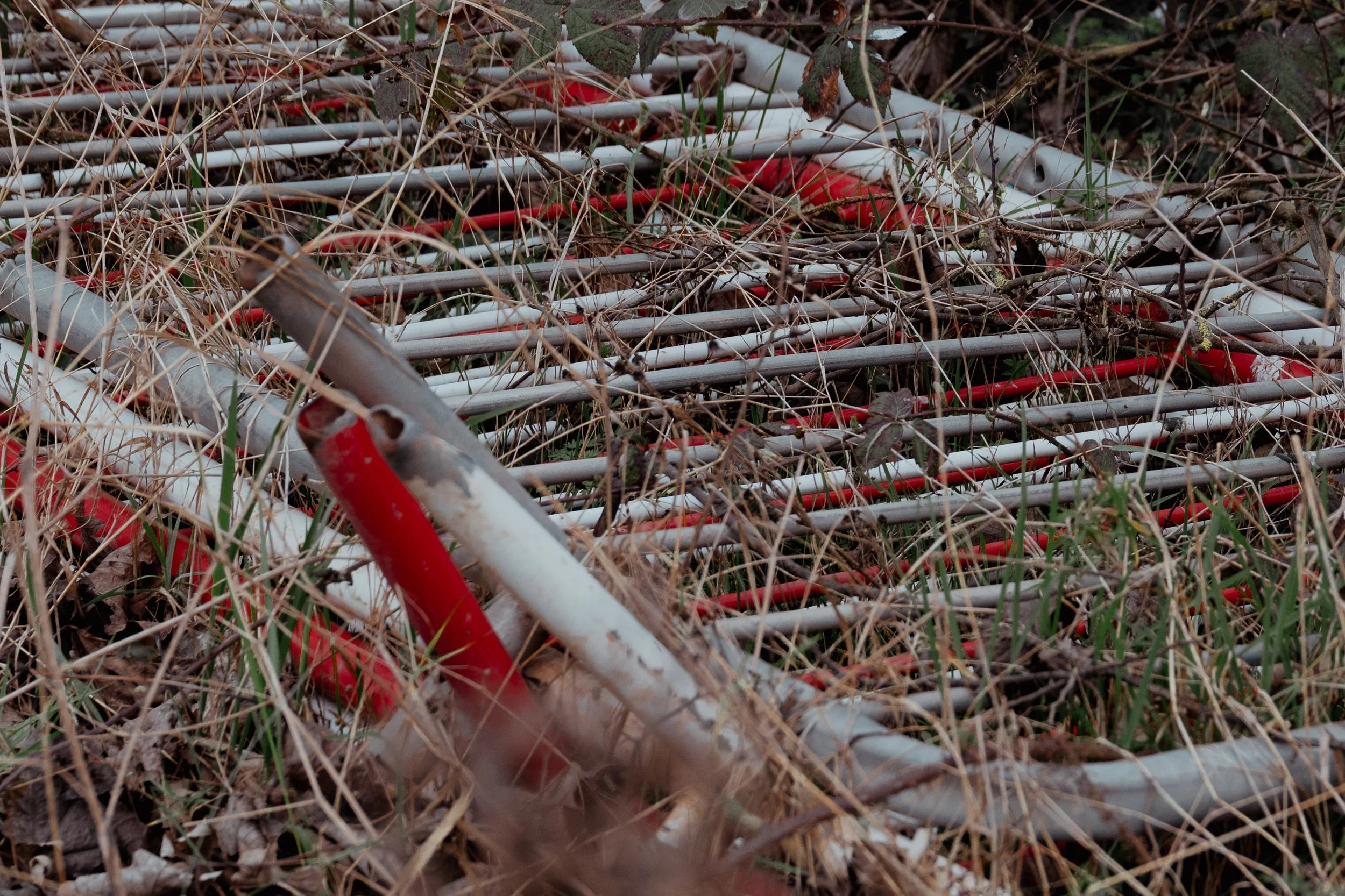
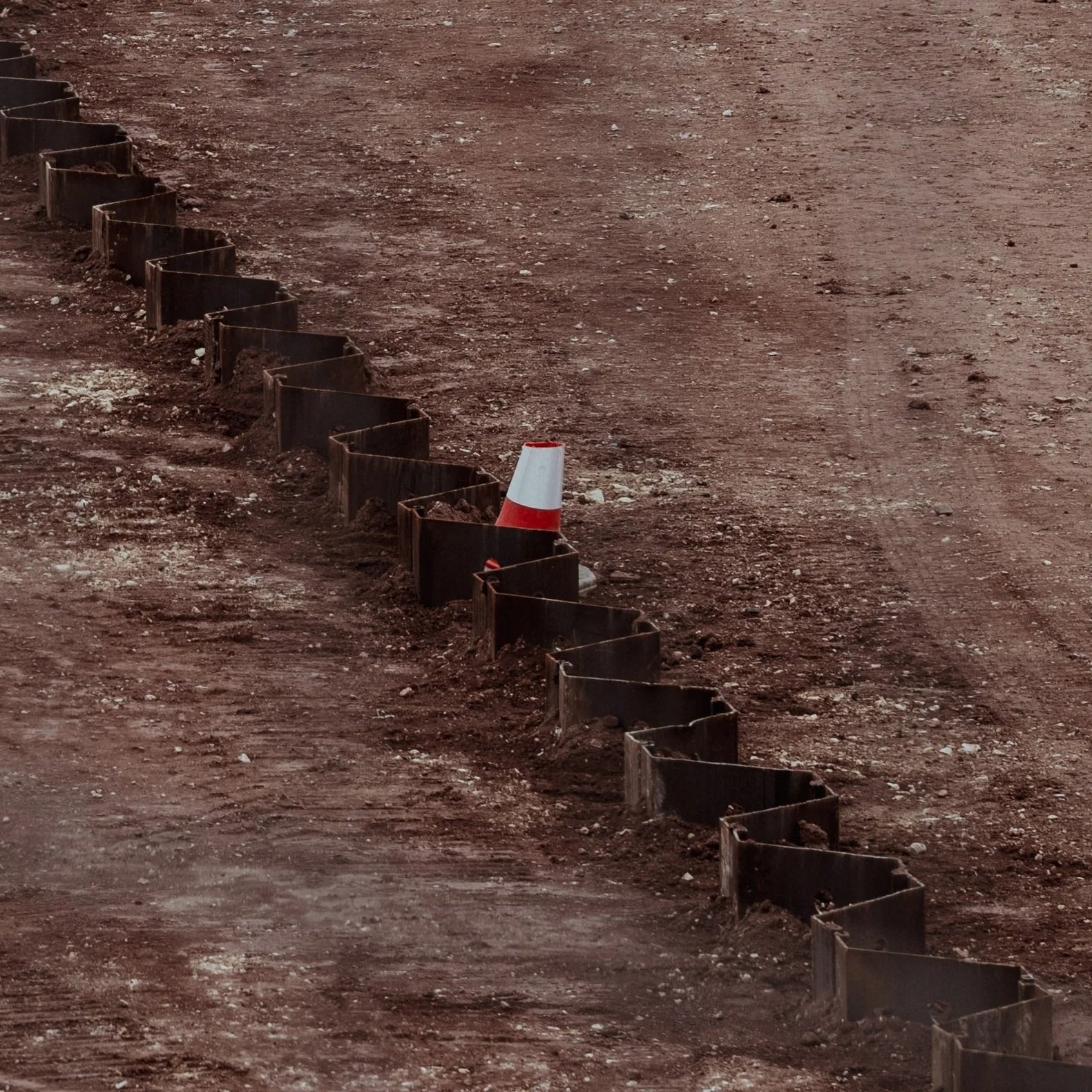
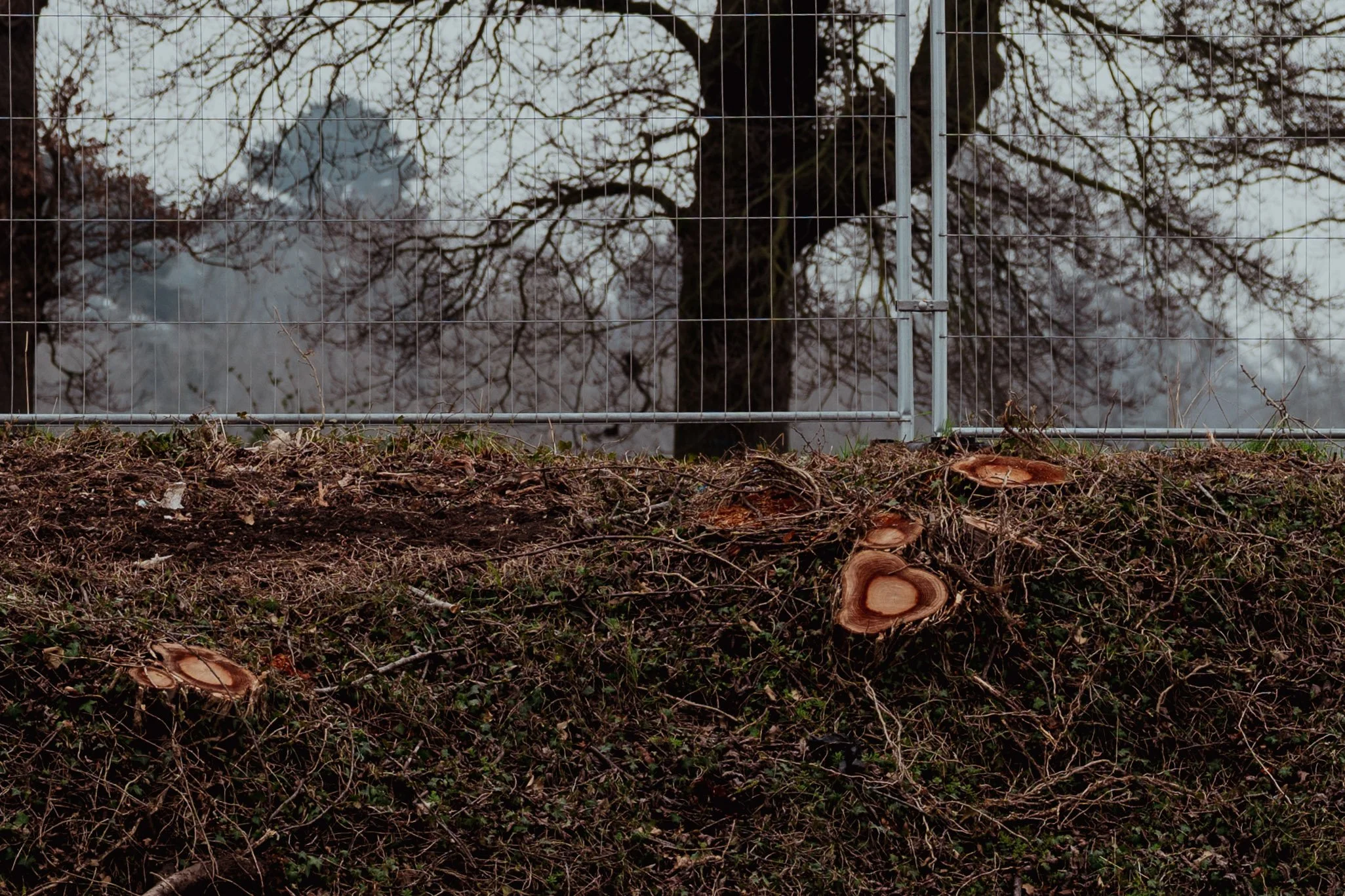
This project is born from a growing sense of unease and a personal observation of the creeping isolation caused by large-scale infrastructure development. The genesis of this project lies in the stark, physical manifestation of exclusion: the fences. mile after mile of them snake across fields, cut through ancient woodlands, and divide communities that once thrived as cohesive entities. These fences, ostensibly erected for safety and construction management, have become powerful symbols of a project prioritising speed and progress over the landscape and its inhabitants.
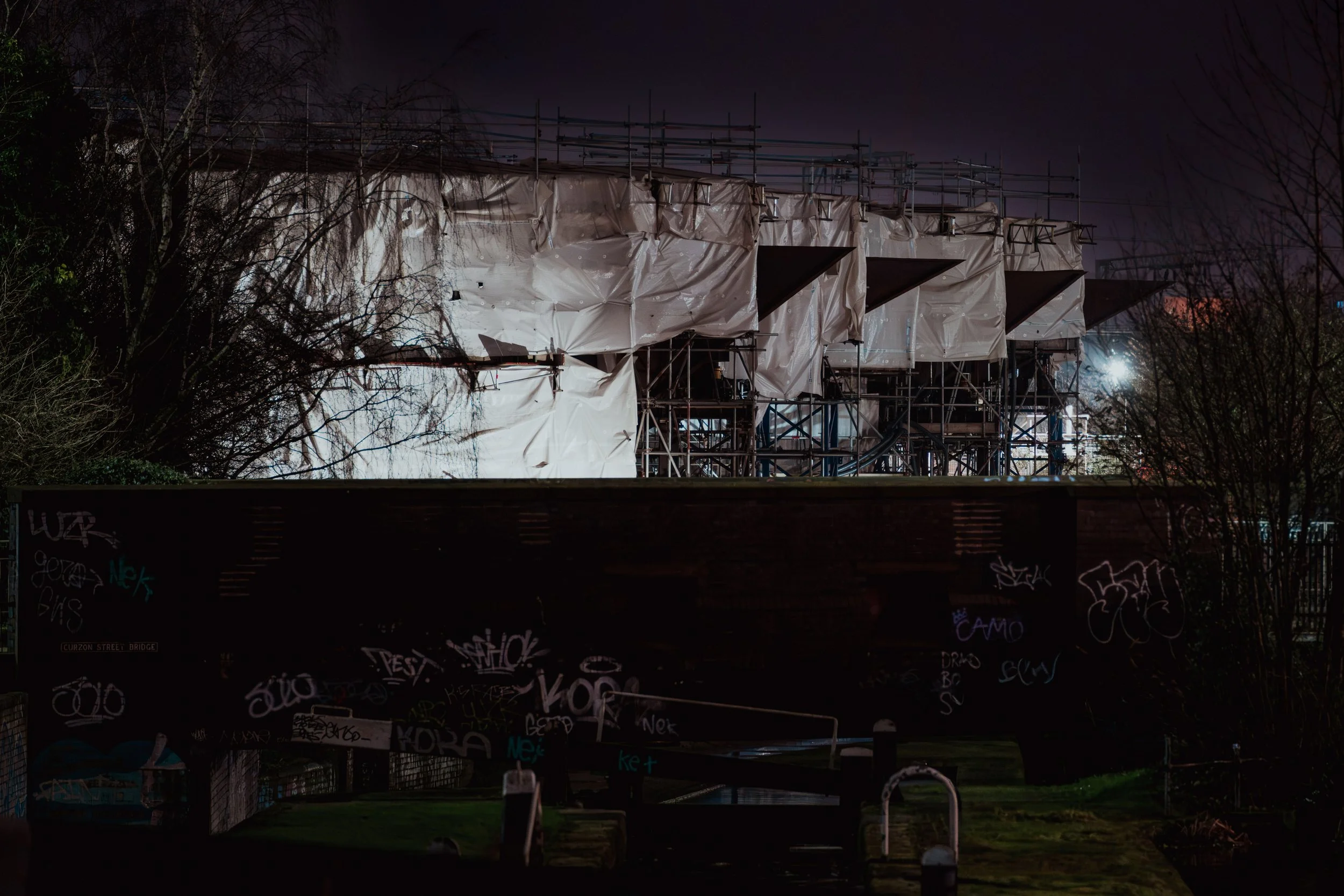
I began to notice a subtle yet pervasive shift in the environment. Familiar paths, once open to all, were abruptly closed. The sounds of nature, once a constant backdrop, were increasingly drowned out by the roar of machinery. The sight of wildlife, displaced and disoriented, became a poignant reminder of the project's ecological cost. These observations were not just abstract; they were deeply personal. The places where I had walked and found solace in my local areas- Coleshill, Kingsbury, Solihull, and Birmingham City centre were changing irrevocably.
This project is not merely a documentation of construction sites and heavy machinery; it attempts to capture the emotional and social repercussions of a development that, in its pursuit of connectivity, paradoxically fosters disconnection. Seeking to reveal the reshaped landscape of HS2, emphasising overgrown remnants of footpaths and the stark contrast between the natural beauty of the landscape and the industrial intrusion. Delving into the concept of access, which encompasses not only physical access to land but also the feelings of belonging, shared history, and the natural environment that have supported and inspired generations. Challenging the notion that progress must inherently compromise community and nature. Serving as a fragment of a larger narrative, a testament to the profound and often overlooked human cost of large-scale infrastructure projects.